

Common Summer Foot Ailments & How to Keep Your Feet Healthy
Summer is a season many people look forward to all year long. Warmer weather means vacations, outdoor activities, pool days, beach trips, and more time spent walking, running, and enjoying the sunshine. While these activities can be great for overall health and well-being, they can also create unique challenges for your feet.
During the summer months, podiatrists often see an increase in certain foot conditions due to heat, humidity, increased physical activity, and the types of footwear people choose to wear. Sandals, flip-flops, bare feet, and prolonged outdoor activities can all contribute to foot problems that may interfere with your summer fun.
Understanding the most common summer foot ailments can help you recognize symptoms early and take steps to protect your feet throughout the season.
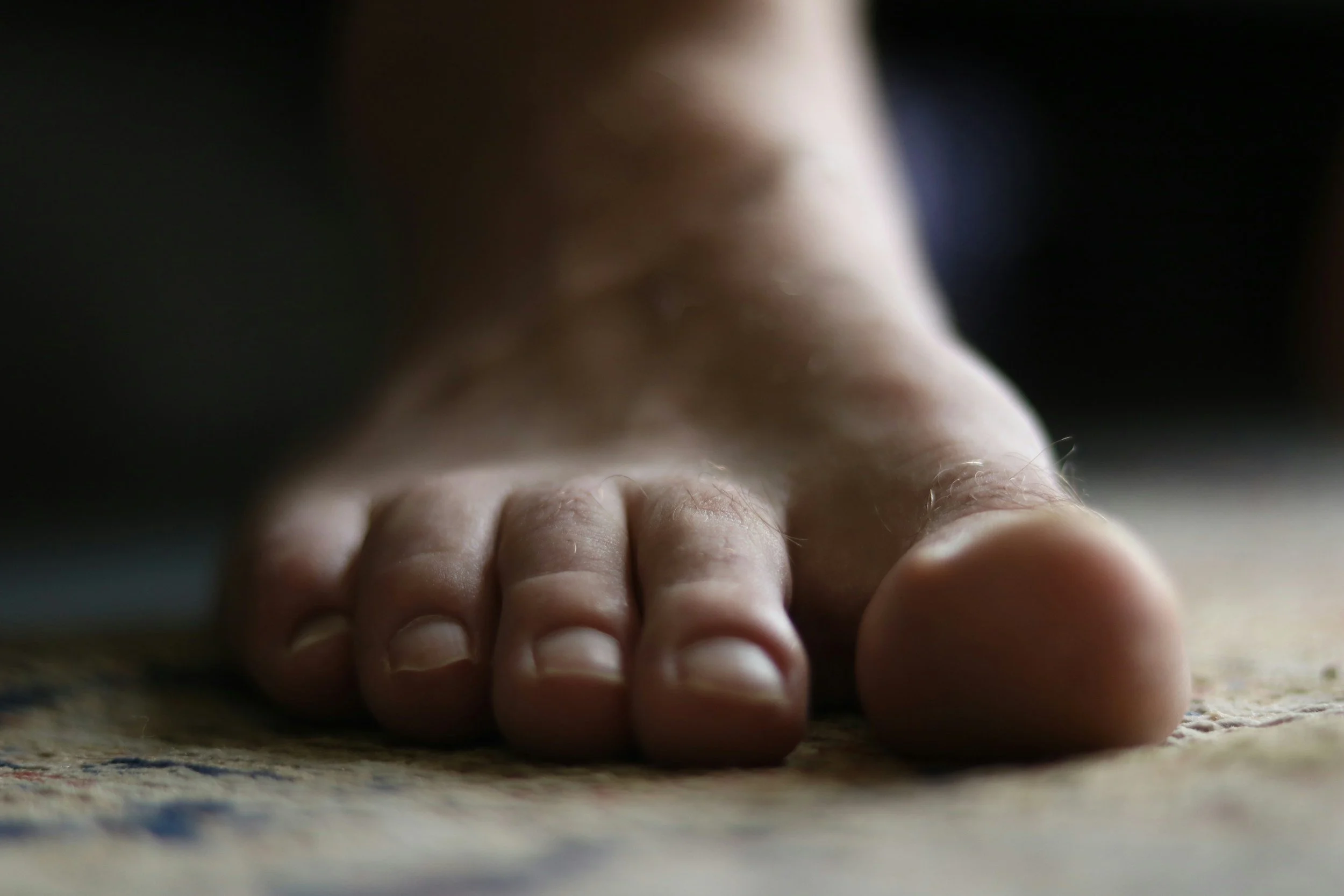
Athlete's Foot
One of the most common foot problems seen during the summer is athlete's foot. This fungal infection thrives in warm, moist environments, making summer the perfect time for it to develop.
Athlete's foot is often contracted in public places such as swimming pools, locker rooms, fitness centers, and communal showers. The fungus can spread through direct contact with contaminated surfaces.
Common symptoms include:
Itching or burning between the toes
Red, flaky, or peeling skin
Dry, cracked skin on the soles
Blisters in severe cases
Unpleasant foot odor
To reduce your risk, wear sandals or water shoes in public wet areas, keep your feet clean and dry, and change socks regularly if your feet become sweaty. Shoes should also be allowed to air out between uses.
Plantar Fasciitis
Many people become more active during the summer, increasing their participation in walking, hiking, running, and recreational sports. While increased activity is beneficial, it can place additional stress on the feet. Plantar fasciitis occurs when the thick band of tissue on the bottom of the foot, known as the plantar fascia, becomes inflamed. This condition often causes sharp heel pain, especially with the first steps in the morning or after periods of rest.
Summer footwear choices can contribute to the problem. Flip-flops and flat sandals generally provide little arch support, forcing the plantar fascia to work harder. To help prevent plantar fasciitis:
Wear supportive footwear
Replace worn athletic shoes
Stretch your calves and feet regularly
Increase activity levels gradually
Ignoring heel pain can lead to chronic discomfort that may take months to resolve.
Sunburned Feet
Most people remember to apply sunscreen to their face, shoulders, and arms, but feet are often forgotten. Unfortunately, the tops of the feet are highly susceptible to sunburn. Severe sunburn on the feet can cause redness, swelling, blistering, pain when walking, and increased sensitivity. Repeated sun exposure may also contribute to long-term skin damage. Whenever you spend time outdoors, remember to apply broad spectrum sunscreen to all exposed areas of your feet and reapply as directed, especially after swimming.
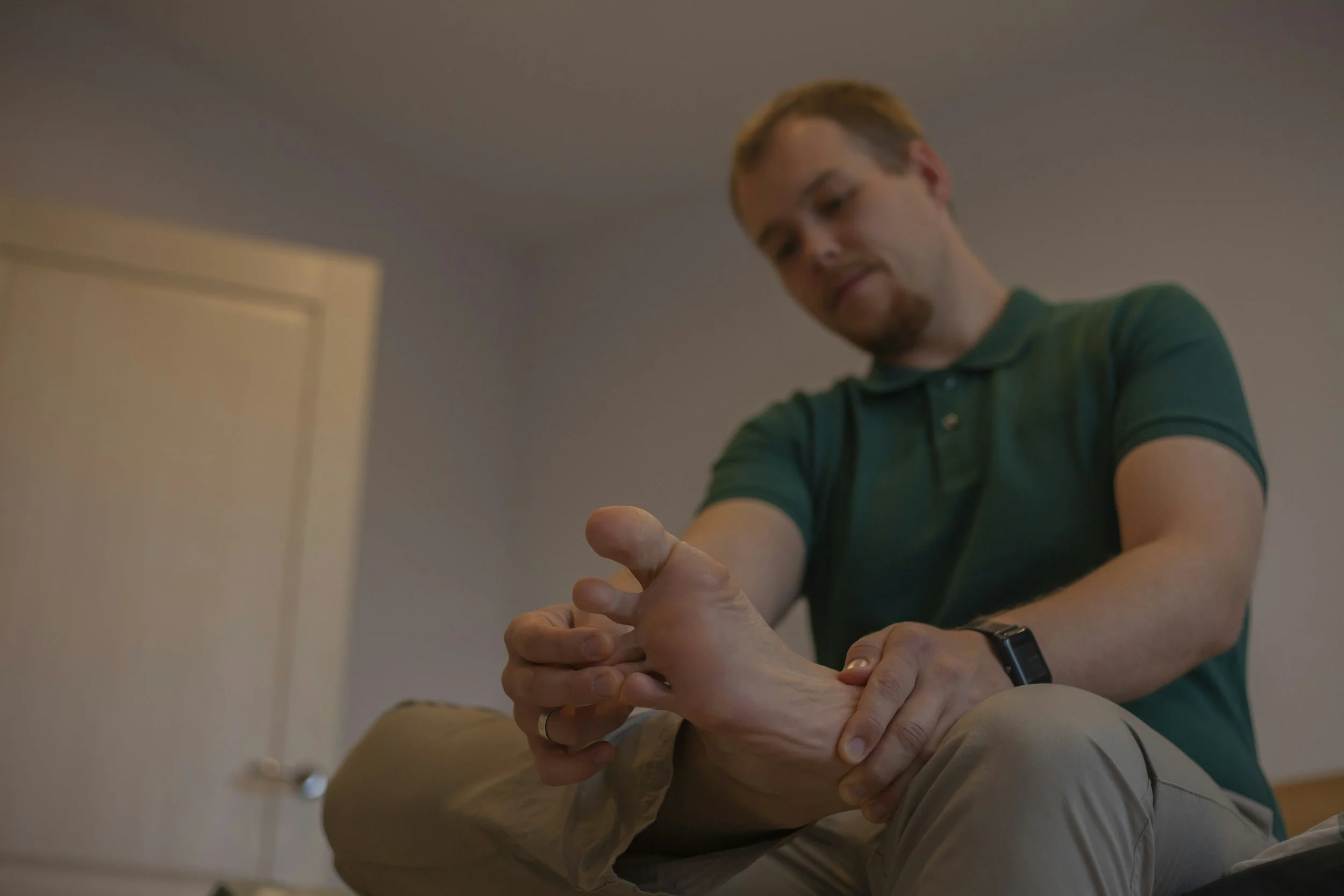
Blisters
Blisters are a common summertime nuisance. Whether you're sightseeing on vacation, participating in outdoor sports, or breaking in new sandals, increased friction can lead to painful blisters. Blisters develop when repeated rubbing causes the upper layers of skin to separate and fill with fluid. Common locations include the heels, toes, and balls of the feet.
You can reduce the likelihood of blisters by:
Wearing properly fitting shoes
Choosing moisture-wicking socks
Using protective padding in high-friction areas
Gradually breaking in new footwear
While many blisters heal on their own, large or infected blisters may require professional treatment.
Toenail Fungus
Warm temperatures and increased moisture create ideal conditions for fungal infections of the toenails. Toenail fungus can begin as a small discoloration but may gradually worsen if left untreated. Signs of toenail fungus include: Yellow, white, or brown discoloration, thickened nails, brittle or crumbly nails, distorted nail shape, and separation of the nail from the nail bed.
Many patients initially assume the condition is cosmetic, but untreated fungal infections can spread and become increasingly difficult to manage. Maintaining good foot hygiene and wearing breathable footwear can help reduce the risk of fungal nail infections.
Ingrown Toenails
Summer activities often involve more walking, running, and sports participation. Combined with improper nail trimming techniques, these activities can increase the risk of ingrown toenails. An ingrown toenail occurs when the edge of the nail grows into the surrounding skin. This frequently affects the big toe and can become painful or infected.
Symptoms may include:
Redness
Swelling
Tenderness
Drainage
Difficulty wearing shoes comfortably
To help prevent ingrown toenails, trim nails straight across rather than rounding the corners. Avoid cutting nails too short, as this may encourage improper growth.
Persistent or infected ingrown toenails should be evaluated by a podiatrist.
Foot and Ankle Sprains
Summer often brings an increase in outdoor recreation, including hiking, sports, yard work, and family activities. Uneven terrain, slippery pool decks, and increased physical activity can contribute to foot and ankle injuries. Ankle sprains are among the most common injuries seen during the warmer months. Symptoms typically include pain, swelling, bruising, difficulty bearing weight, and limited mobility
While some people assume they can simply "walk it off," untreated sprains can result in chronic instability and recurring injuries.
Prompt evaluation and treatment can help ensure proper healing and reduce the risk of long-term complications.
Cracked Heels
Many people spend more time barefoot during the summer, whether at home, by the pool, or at the beach. Unfortunately, walking barefoot can contribute to dry, cracked heels. Hot weather, dehydration, and exposure to sand and pavement can further dry the skin. Cracked heels may begin as a cosmetic issue but can eventually become painful. Deep fissures can bleed and increase the risk of infection. To keep heels healthy, apply moisturizer daily, stay hydrated, wear supportive footwear, and avoid excessive barefoot walking.
Regular foot care can prevent minor dryness from becoming a more significant problem.
Choosing the Right Summer Footwear
One of the best ways to protect your feet during the summer is by selecting appropriate footwear. While flip-flops are convenient, they often lack the support and stability necessary for prolonged walking or activity. Poor footwear choices can contribute to heel pain, arch strain, tendon injuries, and other foot problems. Look for shoes or sandals that provide:
Adequate arch support
Cushioning
Proper fit
Shock absorption
Stability
For extended walking, athletic shoes are generally a better option than flat sandals or flip-flops.
Don't Ignore Foot Pain
Many people assume foot pain is simply part of an active summer lifestyle. However, persistent pain, swelling, skin changes, or nail abnormalities should never be ignored. Early diagnosis and treatment often lead to faster recovery and better outcomes. What may seem like a minor irritation today could develop into a more serious condition if left untreated. Your feet play a critical role in your mobility, overall health, and quality of life. Taking care of them during the summer months can help you stay active and enjoy all the season has to offer.
When to Call a Podiatrist
If you experience ongoing foot pain, signs of infection, worsening heel pain, persistent fungal issues, recurring ingrown toenails, or any foot injury that does not improve, it is important to seek professional care. A podiatrist can accurately diagnose the underlying cause of your symptoms and develop a personalized treatment plan to get you back on your feet as quickly and safely as possible. Don't let foot problems interfere with your summer activities. If you notice discomfort, pain, swelling, skin changes, or other concerns affecting your feet or ankles, contact your podiatrist for an evaluation. Early treatment can often prevent small problems from becoming larger ones and help keep you active all summer long.